
General Contracting Services
Data Center Construction in Lawton and Southwest Oklahoma
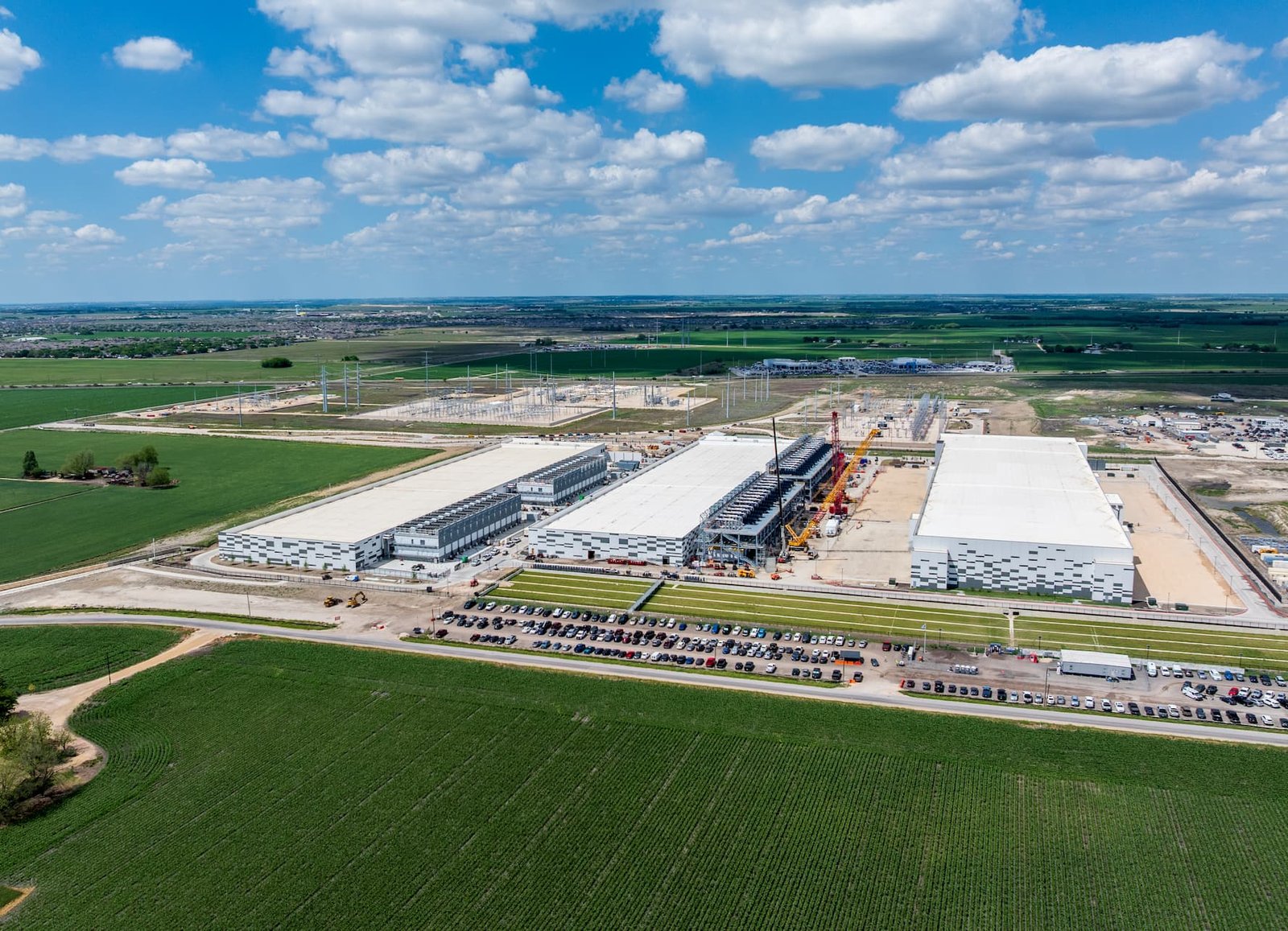
Megawatts come first on a data center job and the building second. A hall of racks is a power and cooling plant with a roof over it, and the owner's first questions are about utility capacity, generator fuel, chilled water and how fast the electrical gear can be delivered. The shell, slab and envelope matter, but they are the quick part. We write schedules for this work around the long-lead equipment, then fit the concrete and steel around it.
Southwest Oklahoma is not a data center hub, and we do not pretend otherwise. What it does have is open land, certified industrial sites, and at least one announced project to the northeast of Lawton on the US-277 and I-44 routes. An owner looking at this part of the state deserves a contractor who is plain about what the region offers and what a project here has to bring with it, especially the electrical service.
We act as general contractor and coordinate the site, structure, mechanical and electrical trades, and the commissioning. If your design team has not started, our design-build delivery approach can bring the contractor in during programming. For equipment lead times and the order in which to release gear, see long-lead procurement.
Power, water and what the site must supply
A site with roads and utilities in place is worth more here than raw acreage. The Airport Industrial Park in south Lawton is described by the economic development corporation as certified site ready with roads and all utilities and secure access to airport facilities, and the Oklahoma SW Rail Industrial Park on the west side is listed at more than 2,500 acres with utilities in place. Neither listing promises the electrical capacity a data hall needs, and we tell owners to ask the serving utility for a will-serve letter and a load study before they sign for land.
Water matters for cooling designs that use evaporation, and fiber routes matter for everything. We map the available service on each parcel, flag the long runs, and cost the extensions so the land price is not the only number on the table. Some owners choose behind-the-meter generation. A June 2025 state commerce release described a Chickasha industrial park project with a joint venture delivering behind-the-meter power for data centers, critical minerals processing and advanced manufacturing, at about $3.5 billion, the largest single private investment in that city's history.
Weather and the grid on the plains
On June 15, 2023, a storm brought golf-ball hail and gusts of 65 to 70 mph to Lawton, and about 19,000 electric customers lost power at the peak. A data center cannot treat that as a rare story. Outdoor generators, cooling yards and utility interconnects face hail, wind and the loss of the grid, so the design has to account for impact-rated equipment screens, fuel for the stated runtime, and a plan for the tornado season that sits in the local weather record.
The National Weather Service's Lawton table lists an F3 near the airport on April 10, 1979, and the same office's tables list tornadoes across the county. We do not read that as a reason to avoid the region. We read it as a reason to put critical equipment in structures designed for the loads, and to review shelter, protected cable routes and emergency response procedures with the owner during design.
A schedule that starts with the switchgear
Generators, switchgear, transformers, UPS systems and chillers drive the critical path, and their lead times are measured in many months. We ask the owner's team to release the orders early, and we price site work and the foundation sequence so the pads and duct banks are finished when the equipment lands. A building that is ready two months before the gear arrives has not saved the owner anything.
Phasing is the other lever. Many owners build the shell and the power backbone for the full campus, then fit out hall by hall. That puts the earthwork, utilities and structure in the first contract and leaves interior fit-out for later. We lay out the early works so the later phases can proceed in a live, energized site without tearing up what is already built, then close each phase with commissioning and closeout.
Where the money goes
On a data center the shell is a small share of the total; electrical and mechanical systems are the bulk. Our estimating work looks at the pieces owners can influence: the density per hall, the redundancy level, whether cooling is air or liquid, and how much of the site work is shared across phases. We also separate the cost of getting utility service to the site from the cost of the building, because the utility cost belongs to the land decision.
For developers weighing a speculative build against a build-to-suit, our page for commercial real estate developers sets out how we handle phased delivery and tenant improvements. The data center page explains the finished building types we plan for.
Facilities we plan around
Enterprise server rooms inside existing buildings, edge facilities and colocation halls each have a different power profile and a different relationship with the grid. We have to be honest about what suits a metro of this size. A smaller edge facility or a server-room addition can fit comfortably within a mixed-use or office building. Larger halls make sense only with a utility that can serve them.
For sites on the interstate, we also look at Chickasha, where the announced project sits, and at the roads and rail that serve it. The US-81 and US-62 exits at Chickasha on the turnpike put a parcel there within reach of the same corridor we serve from Lawton.
Start with the power question
Send us the parcel, the load you expect and the utility's response so far, and we will tell you what the site can support and what the schedule looks like.
Common Questions
Is Lawton a realistic place to build a data center?
It can be, for the right load. The region has open land and certified industrial sites with utilities, but electrical capacity is the deciding factor. We recommend getting a utility study before land is committed. Smaller edge or enterprise facilities are an easier fit than a large hall.
What is the first thing you need from us?
The critical load in megawatts, the redundancy level and the target delivery date. Those three numbers tell us whether the project is a shell with a long power-up or a phased campus, and they let us flag the long-lead items for early release.
How do you handle storm and outage risk?
We design the site for it. Hail screening on outdoor equipment, fuel storage sized to the runtime the owner specifies, protected conduit routes and an emergency plan are standard topics in our design meetings. The 2023 hail and outage event in Lawton is the local reference point.
Can you build in phases while one hall is already live?
Yes, if the early works are planned for it. We separate construction traffic from the live hall, keep utilities and duct banks sized for the full build, and schedule any tie-ins that could affect the live system in agreed windows.