General Contracting Services
Phased Construction on Occupied Sites
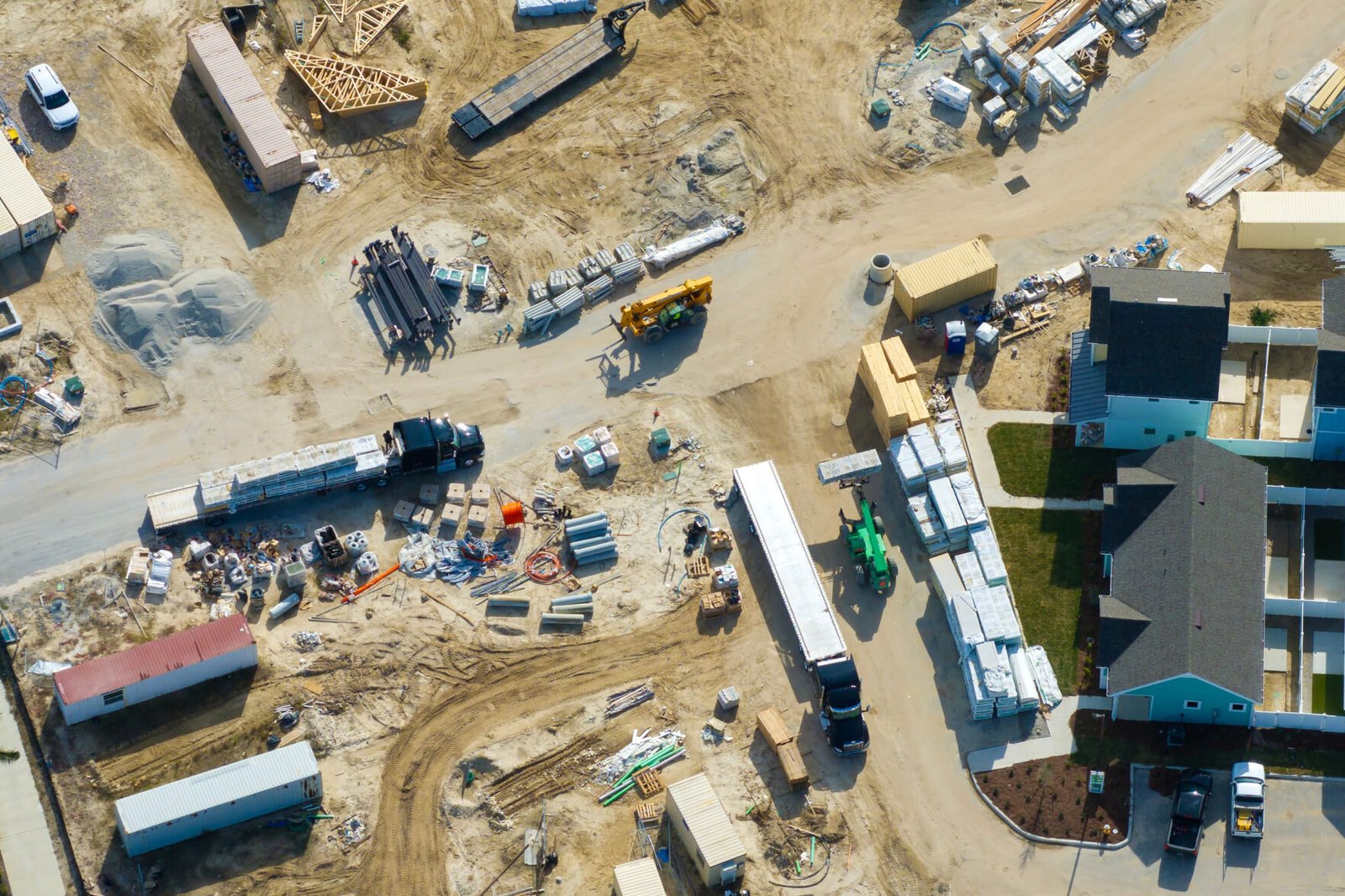
Business does not stop because a contractor shows up. A clinic still has patients on Monday, a store still has customers on Saturday, a plant still runs three shifts, and an airport still has flights. Phased construction on an occupied site means building in pieces so that the part of the facility still in use stays safe, quiet, clean and reachable. It takes more planning than a vacant-site job, and it takes more patience from everyone.
We write a phasing plan before we write a price. The plan shows which area is under construction in each phase, which is occupied, how people and deliveries get around the work, what utilities are interrupted and for how long, and what dust, noise, vibration and odor controls are in place. Owners review it with their operations staff and sign off before we mobilize. A plan that the facility manager has not seen is not a plan.
Around Lawton, the examples are public. The City of Lawton is rebuilding streets while traffic continues, and the airport terminal is being improved while passengers use it.
Keeping people clear of the work
Occupied work calls for strict safety rules because the people near the work are not construction workers. We install barriers at all times where the public could reach the work, and we check them at the start and end of each shift. Hot work, such as welding or torch-applied roofing, is permitted only after the area has been checked for combustibles and a fire watch is assigned. Daily housekeeping is not optional. Tools, material and debris do not leave the work area.
Healthcare adds infection-control requirements. An infection-control risk assessment sets the barrier type, the air handling plan and the cleaning protocol, and we follow it. The Drewry Family Emergency Center at Comanche County Memorial Hospital, which expanded an emergency department from 11,218 square feet to more than 40,000, was reported as a project of more than $21 million. Large emergency projects like that have to keep patients moving while work proceeds, and the planning details are the same ones we use. Learn more about hospital construction on our building type page.
Roads, interiors and daily closeout
A KSWO report in August 2024 described a waterline project on Cache Road near Sheridan, coordinated with city sidewalk restoration, in which barricades were moved off by the end of each workday to keep three lanes open. The City Council's May 2024 approval of the first phase of a Goodyear Boulevard contract said the work would be phased so the road stays open to traffic. The same discipline is what we bring to building interiors: at the end of the shift, the work area is closed, the path is clear, and the occupants can use what they need.
Isolation comes first. Temporary walls, negative air machines, sticky mats and sealed penetrations keep dust inside the work area. Elevator and stair use, restrooms and parking are mapped out before work begins. For retail, we often work at night or on slow days. For schools, summer and holidays are natural windows; the education sector plans around them every year.
What phasing does to the calendar
Phasing changes the calendar. A job that takes ten weeks in an empty building may take sixteen in an occupied one, because work is limited to certain hours, areas are released in sequence and every phase needs a hand-over inspection. We show that in the schedule. If an owner needs a particular date, we propose overtime or added crews and state the cost.
On an installation, extra steps apply. Badging and gate access, escorts, inspection of vehicles and tools, and restricted hours can add days to mobilization and time to each shift. The U.S. Army Corps of Engineers awarded a $10.5 million contract in September 2025 for plumbing, heating, ventilation and air conditioning repairs in the 2700 series of buildings at Fort Sill, a job in the kind of setting where access and occupancy rules shape the work. We cite it to illustrate such rules, not to claim we performed it. When an owner asks about installation access, we state plainly what the badge-in and inspection process adds to the schedule. See our Fort Sill page for context.
Utility shutdowns, noise and smells
Utility shutdowns are the biggest friction point. A planned outage for a tie-in must be scheduled with the building operator and communicated to everyone affected. We ask for the shortest possible window, prefabricate and stage the connection (which depends on equipment arriving early) and test before shutdown so the work inside the window is only the final connection. Backup power, temporary water or portable restrooms can bridge gaps where needed.
Noise and vibration are the next. Core drilling, demolition and concrete saws are scheduled for low-occupancy times, and we use vibration monitoring near sensitive equipment. Smells from adhesives, sealants and paint get low-VOC products where the specification allows. We keep a log of complaints and our response. Owners considering renovation work in a live building should expect the noise discussion to be one of the first meetings.
Facilities that stay open
Multi-tenant buildings, shopping centers, hospitals, schools, airports, hotels, offices and manufacturing plants all hire us for occupied work, and each needs its own rules. A hotel may restrict loud work to daytime and require a floor-by-floor sequence. A manufacturing plant may restrict contractors from certain zones and require lockout procedures. An airport terminal has security zones where badge control and escorts apply. In every case, we prepare a site-specific safety and phasing plan.
Lawton-Fort Sill Regional Airport is a nearby example. A September 2021 KSWO report described FAA grant funds starting the next terminal phases, including a third boarding gate, a renovated security checkpoint and a first official baggage claim. Terminal projects of that kind show how a facility can stay open while the building is rebuilt around it. Our tenant improvement work follows the same pattern on a smaller scale.
Tell us who stays in the building
Describe the facility, the people who must stay and the hours you can give us. We will draft a phasing plan and a calendar for your review. Use the quote form or call.
Common Questions
Can you work while the building is open?
Yes, with a phasing plan that shows how occupied areas are protected and how people get around the work. The facility manager must review and approve it before we start.
How much longer does an occupied project take?
Often a good deal longer than the same work in an empty building, because hours are limited and areas are released in sequence. We show the extra time in the schedule and offer overtime options if a hard date applies.
What controls dust and noise?
Temporary walls, negative air, sealed penetrations, sticky mats, scheduling of loud work for off-hours and, where needed, vibration monitoring. We inspect the barriers every day.
How do you handle utility shutdowns?
We prepare the work in advance, schedule the outage with the operator and keep the interruption as short as possible. Temporary service is provided where the building cannot go without.
What changes when the site is inside an installation gate?
Badging, escorts, vehicle and tool inspection and restricted hours add time to mobilization and to each shift. We ask the installation point of contact for the process, state the effect on the schedule, and plan for it before committing dates.